Honeycomb and Bee Embroidery Design Review
As an experienced embroidery designer, I recently came across the Honeycomb and Bee machine embroidery design. This design is part of the Bugs category and offers a wide range of file formats suitable for various embroidery machines. The name itself suggests a nature-inspired motif that could be ideal for small business merch, branded patches, or even custom apparel.
First Impressions: A Natural and Playful Design
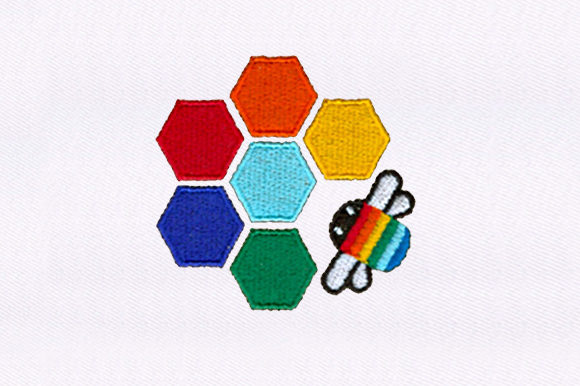
The first thing that stands out about Honeycomb and Bee is its visual charm. It feels friendly, playful, and slightly rustic, making it perfect for businesses that want to convey a sense of warmth and approachability. The honeycomb pattern adds a structured element, while the bee brings in a touch of whimsy and motion. This combination makes the design versatile enough to suit both modern and classic branding styles.
Visually, the design doesn't feel overly complex, which is a plus when considering how it will translate onto different surfaces and materials. It has a clean, well-defined outline with intricate details that won’t get lost on smaller items like patches or cap fronts.
Real Business Use: Where Honeycomb and Bee Shines
Honeycomb and Bee can be used in several practical ways for small businesses looking to enhance their brand identity through embroidered merchandise. Here are some key applications:
- Embroidered Patches: The design works beautifully as a patch for staff uniforms, aprons, or branded merchandise. Its size and detail make it stand out without overwhelming the fabric.
- Cap Embroidery: As a cap front design, it adds a unique and eye-catching element to promotional caps or branded headwear.
- Tote Bag Design: When placed on tote bags, the design becomes a subtle yet effective branding element that customers will notice and remember.
- Apron Embroidery: For cafes, bakeries, or handmade shops, this design can be stitched onto aprons to create a cohesive and professional look.
- Product Packaging Accents: The Honeycomb and Bee can also be used as an accent on product packaging or gift wraps, adding a personal and handmade touch.
Additionally, it's a great fit for small business merch, custom apparel, and craft business assets. Whether you're creating event merch or Etsy branding, this design provides a natural and memorable visual that aligns with many creative industries.
Cautions and Considerations for Business Use
While Honeycomb and Bee is a versatile design, there are a few areas where it should be used carefully to ensure the best results:
- Small Patch Sizes: While the design looks good at larger sizes, reducing it too much might compromise the intricate details of the honeycomb and the bee.
- Curved Surfaces: If using it on curved items like mugs or bottles, extra attention must be given to how the design flows around the surface.
- Thread Color Contrast: Ensure that the thread colors chosen provide sufficient contrast against the fabric color to maintain visibility and clarity.
- Fabric Texture: On textured fabrics, the design may not stitch as smoothly, so testing on real fabric before full production is essential.
- High Stitch Density: Be mindful of the stitch density to avoid puckering or distortion, especially on delicate fabrics.
It's always a good idea to test the design in black and white first to evaluate how it will look in different thread colors. Also, checking the hoop size required for the design will help determine if it fits within your available equipment and production workflow.
Brand Identity and Visual Consistency
When used effectively, Honeycomb and Bee can significantly contribute to a business’s brand identity. Its natural and playful aesthetic can help create a sense of trust, recognition, and professionalism. For businesses in the food, floral, or pet industries, this design aligns well with the theme of community and craftsmanship.
The use of embroidered patches and custom apparel featuring this design can elevate the perceived value of products, making them more appealing to customers. Additionally, maintaining visual consistency across all design assets—including printable mockups and commercial embroidery projects—is crucial for reinforcing brand recognition.
For handmade product lines or craft business assets, the design reinforces the idea of quality and attention to detail, which can drive customer engagement and loyalty.
Practical Embroidery Designer Notes
If you’re planning to use Honeycomb and Bee for commercial purposes, here are a few tips to keep in mind:
- Test it in Black and White: This helps assess how the design will appear in different thread colors and on various fabrics.
- Check Small Patch Size: Ensure the design maintains its integrity when scaled down for patches or cap fronts.
- Review Thread Color Contrast: Select colors that complement your brand palette and fabric choice.
- Inspect Spacing: Proper spacing between elements ensures the design doesn't look cluttered or distorted.
- Confirm Hoop Size: Make sure the hoop size required matches your embroidery machine capabilities.
- Test on Real Fabric: Always test the design on actual fabric before mass production to avoid unexpected issues.
- Use Proper Stabilizer: This is essential for preventing fabric distortion, especially on stretchy or textured materials.
- Create a Mockup: Provide a printable mockup to clients for approval before finalizing the project.
- Compare with Other Assets: Ensure the design aligns visually with other branding elements and design assets.
- Confirm Commercial Licensing: Before using the digital embroidery file for business, verify that the license allows for commercial use.
By following these steps, you can ensure that Honeycomb and Bee performs well in real-world applications and supports your business goals effectively.
In conclusion, Honeycomb and Bee is a thoughtful and adaptable machine embroidery design that can add character and charm to a variety of small business merch and branded patches. With careful consideration and proper preparation, it can become a valuable asset in building a strong and recognizable brand identity.