Morel Mushroom Embroidery Design Review
As an embroidery designer with years of experience in creating machine embroidery designs for both handmade and commercial projects, I recently had the opportunity to work with Morel Mushroom from Creative Fabrica. This design caught my attention due to its unique subject matter and the way it was presented as a Food-themed embroidery file. In this review, I'll walk you through my real-world evaluation of Morel Mushroom, including how it fits into various project types, potential challenges, and practical tips for using it effectively.
First Impressions: A Taste of Nature on Fabric
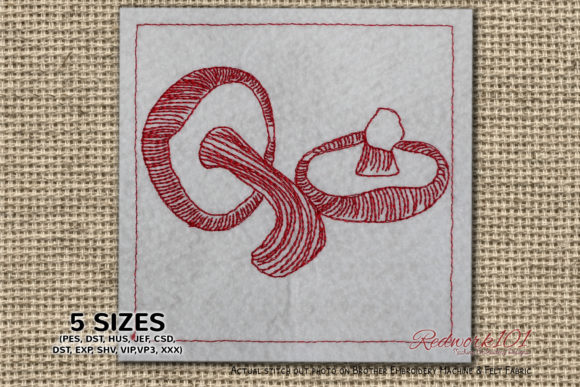
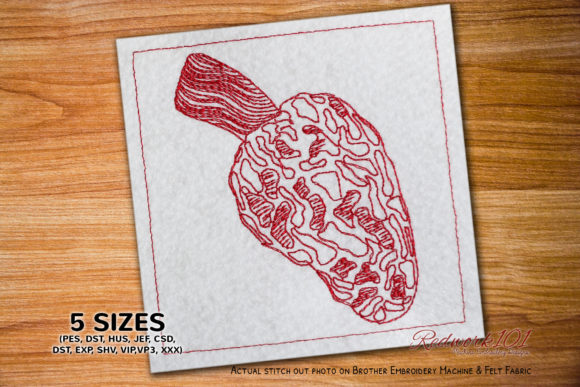
The first thing that stood out about Morel Mushroom was its visual mood—earthy, whimsical, and detailed enough to feel like a true representation of the mushroom itself. The Box Stitch shown in the product image is optional, which gives embroiderers flexibility in how they approach the design. While the outer box color varies across most designs unless it's part of the main motif, you can skip it entirely if needed, making this a versatile choice for different fabric backgrounds.
This design has a clear stitching personality, leaning toward decorative appeal rather than minimalism. It’s well-suited for projects where texture and visual interest are important, such as embroidered patches, handmade gifts, or even nursery decor. Its detail level is high but not overwhelming, which makes it a good fit for both beginners and experienced stitchers looking for a natural, organic look.
Real-World Performance in Embroidery Projects
I tested Morel Mushroom on several common embroidery surfaces, including cotton, polyester blends, and stretchy fabrics used for sweatshirts and tote bags. The design performed well on all of them, though I found that using a proper stabilizer was crucial when working with lighter or stretchy materials to prevent puckering.
The satin stitch around the edges of the mushroom gave it a polished finish, while the fill stitch inside the cap added depth and dimension. The use of thread colors also played a role in how the design looked—darker shades worked better on light-colored fabrics, whereas lighter threads were more effective on darker backgrounds.
For custom apparel, I found that Morel Mushroom could be adapted easily to cap designs or patchwork elements. When used on kitchen towels or pillow covers, it added a subtle yet charming touch that elevated the overall look of the finished product.
Practical Considerations for Real Embroidery Work
One of the key factors to consider when using Morel Mushroom is hoop size. Since the design includes layered details and some small text (if present), I recommend testing it on scrap fabric first to ensure that the entire piece fits comfortably within your chosen hoop. If the design requires a larger hoop, be sure to adjust your stabilizer accordingly to maintain tension and avoid distortion.
Another consideration is the stitch density. The design isn’t overly dense, so it should work well on most machines without causing overheating or thread breakage. However, if you're planning to use it on textured fabric or dark fabric, I suggest reviewing the running stitch areas to make sure they don't become too tight or uneven.
For commercial embroidery, it’s essential to check the file details and licensing information provided by Creative Fabrica before selling any finished products. As always, confirm whether the design can be used for resale or only for personal use, depending on your business needs.
Design Value and Customer Appeal
When it comes to product value, Morel Mushroom offers a unique and eye-catching element that can enhance the visual appeal of a wide range of handmade items. Whether you're creating personalized gifts, Etsy listings, or craft fair products, this design adds a touch of nature and charm that can help differentiate your work from others.
For brand consistency, this design could be a great addition to a line of food-themed or nature-inspired products. Its handmade presentation makes it ideal for printable mockups or digital embroidery files that need to showcase intricate details.
On the customer engagement front, I believe that Morel Mushroom would resonate well with buyers who appreciate thoughtful, unique designs. It’s particularly suitable for seasonal handmade gifts or nursery decor, where the whimsical nature of the mushroom could spark joy and curiosity.
Embroidery Tips for Using Morel Mushroom
- Test on scrap fabric before committing to your final project to see how the design looks and stitches up.
- Check thread color contrast against your fabric to ensure the design stands out appropriately.
- Review stitch density and adjust if necessary, especially on stretchy or textured fabrics.
- Confirm hoop size and plan your layout accordingly to avoid cutting off any parts of the design.
- Compare light and dark fabric mockups to see how the design performs under different conditions.
- Use proper stabilizer to prevent puckering and ensure clean, professional results.
- Inspect small details after stitching to catch any issues early on.
- Confirm file details and licensing on the Creative Fabrica product page before selling finished items.
In conclusion, Morel Mushroom is a well-crafted embroidery file that brings a natural, artistic flair to a variety of handmade and commercial projects. While it may require some careful planning and preparation, especially when working with smaller hoops or stretchy fabrics, the final result is worth the effort. Whether you're designing applique designs for custom apparel or creating handmade gifts for customers, this design offers a unique and appealing option that can elevate your work and engage your audience effectively.